Apollo 11 for kids: the first people on the Moon
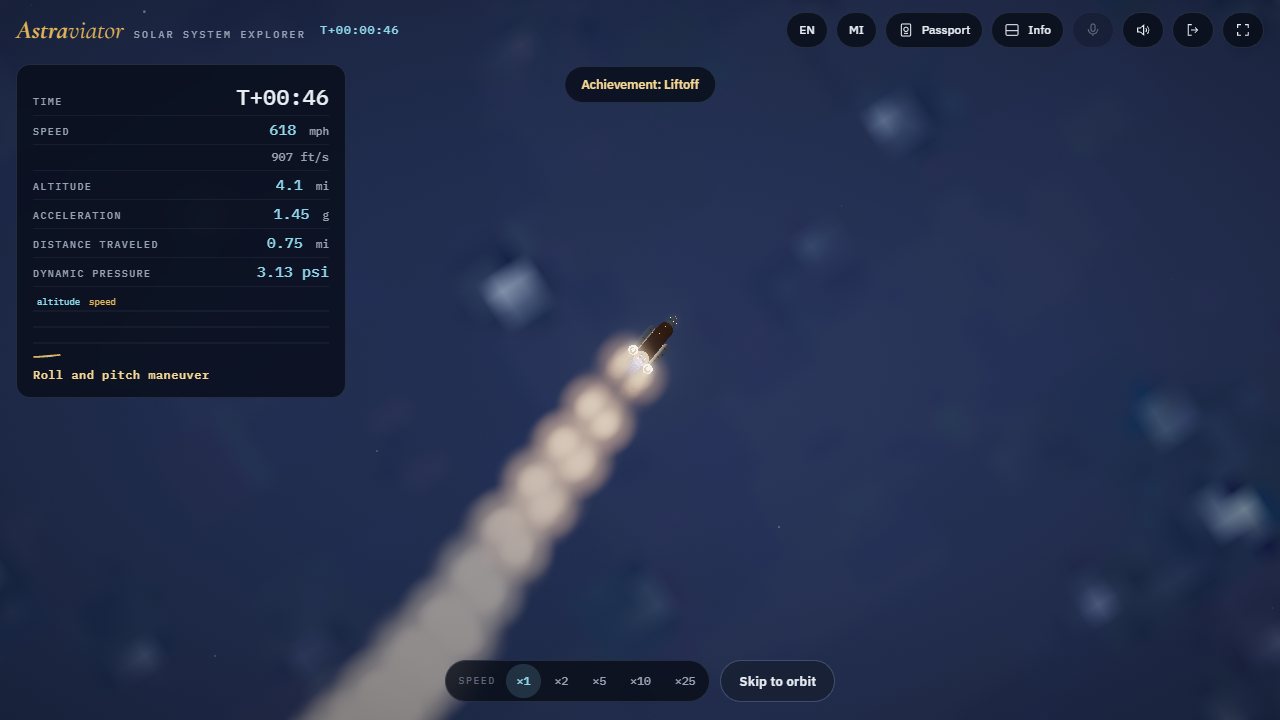
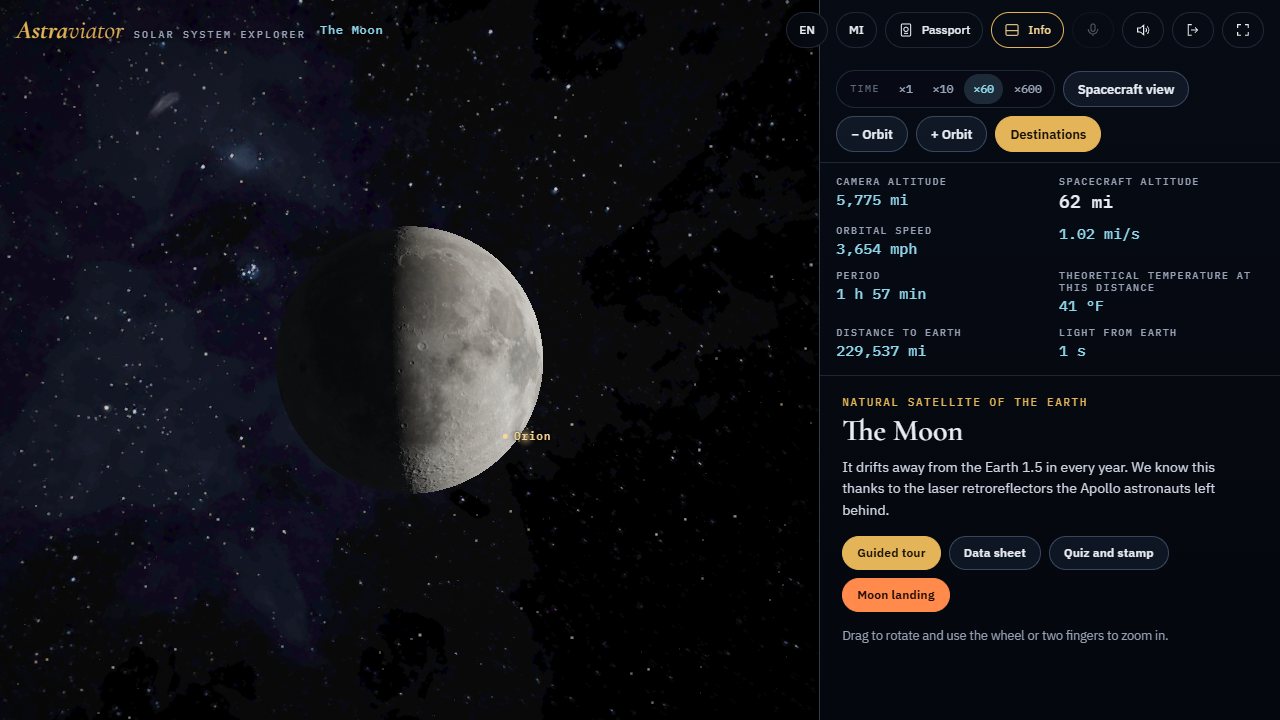
On July 20, 1969, people set foot on another world for the first time. Hundreds of thousands of engineers and workers helped three astronauts make it happen.
Key facts
- Apollo 11 launched on July 16, 1969 and landed on the Moon on July 20, 1969.
- The crew was Neil Armstrong, Buzz Aldrin and Michael Collins.
- Armstrong and Aldrin walked on the Moon for about 2.5 hours; Collins stayed in orbit.
- They landed in the Sea of Tranquility, in the lunar lander Eagle.
- The crew came back to Earth on July 24, 1969, splashing down in the Pacific Ocean.
The mission
Apollo 11 was a NASA mission with one big goal: land people on the Moon and bring them home safely. It was part of the Apollo program, started in the 1960s. A giant rocket, the Saturn V, launched the spacecraft from Kennedy Space Center in Florida.
The crew
- Neil Armstrong: commander. First person to step on the Moon.
- Buzz Aldrin: pilot of the lunar module. Second person on the Moon.
- Michael Collins: pilot of the command module Columbia. He stayed in orbit around the Moon, alone, while the other two landed.
Timeline
- July 16, 1969: launch from Florida.
- July 19: the spacecraft enters orbit around the Moon after about three days of travel.
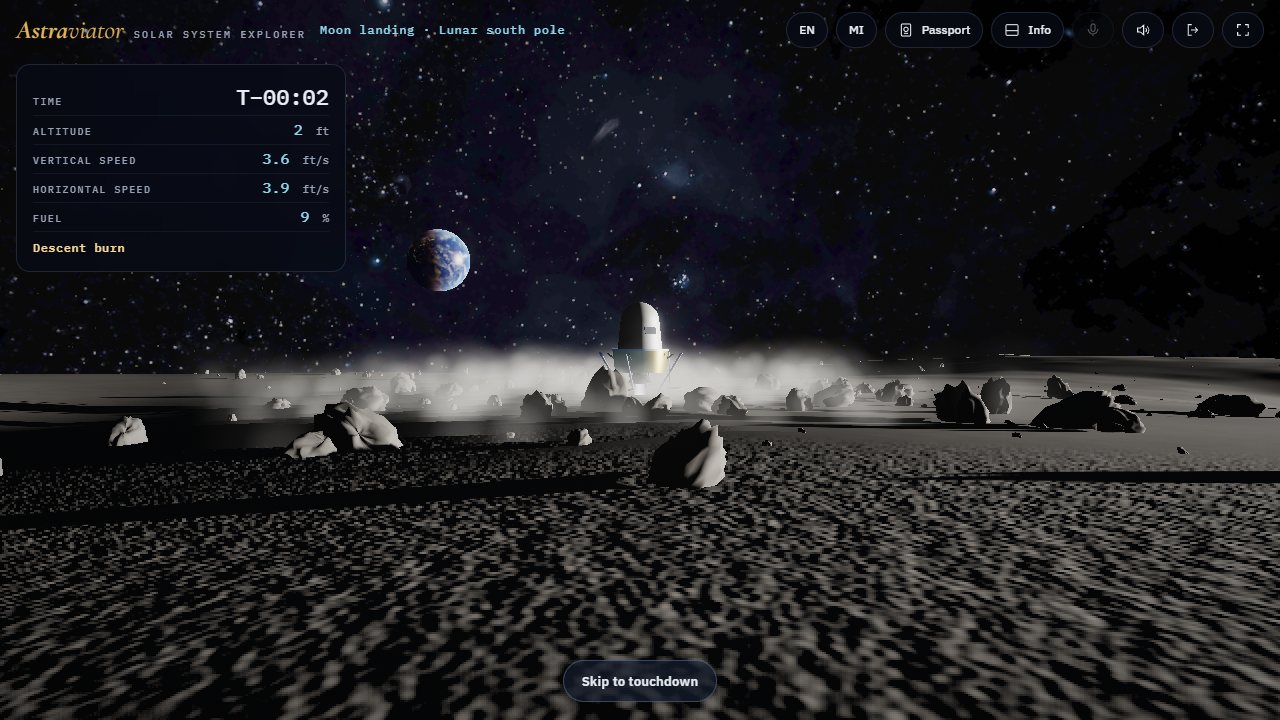
- July 20: the lunar module Eagle separates and lands in the Sea of Tranquility, a flat area on the Moon. Armstrong says: “The Eagle has landed.”
- Later on July 20: Armstrong steps onto the surface, followed by Aldrin.
- July 21: Eagle takes off and meets Columbia in lunar orbit.
- July 24: the capsule splashes down in the Pacific Ocean, and the crew is picked up by a Navy ship.
On the Moon
They spent about 21.5 hours on the surface and walked outside for about 2 and a half hours. They planted a US flag, set up science experiments, including a mirror that scientists still use to measure the distance to the Moon with lasers, and collected about 47 pounds (21.5 kg) of Moon rocks and soil. They also left a plaque that says: “We came in peace for all mankind.”
What happened next?
Five more Apollo missions landed on the Moon, and in total 12 astronauts walked on it between 1969 and 1972. Today NASA’s Artemis program is working to send people back to the Moon.
Try it at home
What you need
- Paper and markers
- A ruler
- Scissors and glue
Steps
- Draw a long timeline with the dates above: July 16, 19, 20, 21 and 24.
- Under each date, draw the event: rocket launch, orbit, landing, take-off and splashdown.
- Now make your own mission patch: draw a badge with the Moon, a small spacecraft and your own name.
- Optional: ask a grown-up to find the real footage of the landing on the NASA website and watch it together.
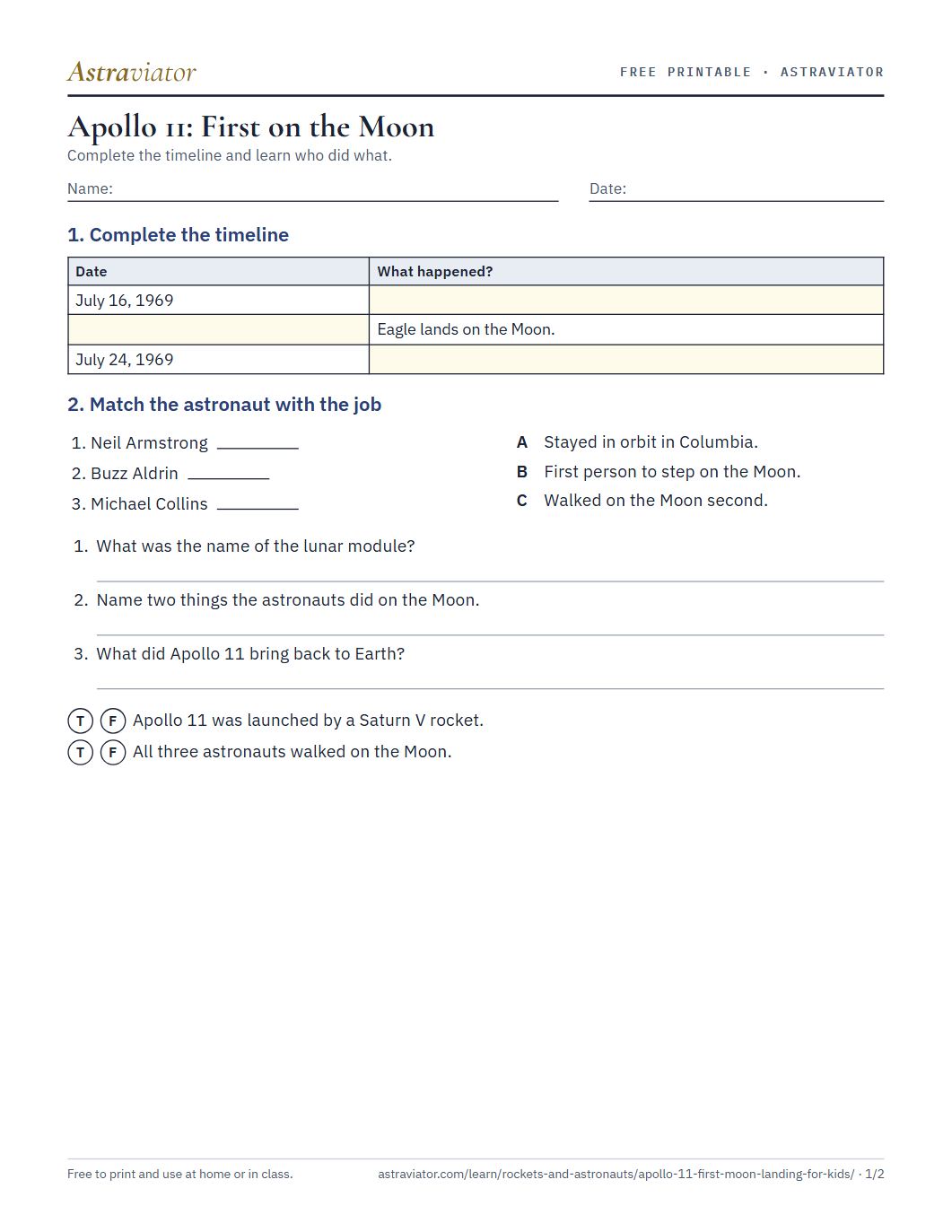
Free printable worksheet: Apollo 11: First on the Moon
Print it, solve it, check it with the answer key on page 2. No sign-up, no email needed.
Download the worksheet (PDF)PDF, 2 pages (worksheet + answer key), US Letter size.
Quick answers
Who was the first person on the Moon?
Neil Armstrong, on July 20, 1969.
How long did it take to get to the Moon?
About three days.
Why did Michael Collins stay in orbit?
Someone had to keep the command module ready to bring everyone home.
How many people have walked on the Moon?
Twelve, all during the Apollo program between 1969 and 1972.